



In today’s dynamic work landscape, temporary contractors are the backbone of many industries, stepping in to provide specialised skills and fill crucial gaps. Often working away from their permanent homes and staying in temporary contractor housing, their well-being is intrinsically linked to the quality of their temporary accommodation. It’s not just about having a roof over their heads; it’s about creating a supportive and comfortable environment that allows them to thrive both on and off the job.
For employers and recruitment agencies, understanding this connection is paramount. Investing in or facilitating access to quality temporary contractor housing isn’t just a logistical box to tick; it’s a strategic move that directly impacts productivity, retention (for future projects), and overall project success.
Even just arranging temporary housing (especially in last minute situations) can be draining — taking up precious time and attention away from the actual job itself. Housd can help with all of this. Get in touch with your needs and we’ll take care of the rest.
The Hidden Mental Costs of Substandard Housing:
Imagine arriving in a new location for a demanding contract, only to be faced with cramped, poorly maintained, or inconveniently located accommodation. The impact on a contractor’s well-being can be significant:
- Increased Stress and Anxiety: Dealing with inadequate living conditions adds unnecessary stress on top of the pressures of a new job and being away from home. Concerns about cleanliness, safety, and basic amenities can lead to anxiety and a feeling of unease.
- Sleep Deprivation and Fatigue: Noisy environments, uncomfortable beds, or a lack of proper facilities can disrupt sleep patterns, leading to fatigue, reduced concentration, and decreased productivity on the job.
- Social Isolation: Poorly located accommodation can exacerbate feelings of isolation, especially for contractors working away from their usual support networks. A lack of communal spaces or convenient access to social activities can negatively impact mental health.
- Poor Diet and Health: Limited or inadequate kitchen facilities can make it difficult for contractors to prepare healthy meals, leading to reliance on less nutritious options and potentially impacting their physical health and energy levels.
- Decreased Morale and Engagement: When basic needs for comfort and security aren’t met, contractors are less likely to feel valued or engaged in their work. This can lead to lower morale and a less positive contribution to the team.

The Positive Impact of Quality Temporary Contractor Housing:
Conversely, providing or facilitating access to good quality temporary accommodation can have a profound positive impact on a contractor’s well-being:
- Reduced Stress and Improved Mental Health: A comfortable, clean, and well-equipped living space provides a sanctuary where contractors can relax and recharge after a demanding day, reducing stress and promoting better mental health.
- Improved Sleep and Energy Levels: A comfortable bed and a quiet environment contribute to better sleep quality, leading to increased energy levels, improved focus, and enhanced productivity on the job.
- Increased Social Connection: Accommodation in well-located areas with access to amenities and social opportunities can help contractors feel more connected to the local community and reduce feelings of isolation.
- Better Nutrition and Health: Access to proper kitchen facilities empowers contractors to maintain a healthy diet, contributing to their overall physical well-being.
- Enhanced Morale and Loyalty: When contractors feel their comfort and well-being are valued, they are more likely to be motivated, engaged, and even consider returning for future projects. This fosters a positive working relationship and benefits the employer in the long run.
What Constitutes “Quality” Temporary Contractor Housing?
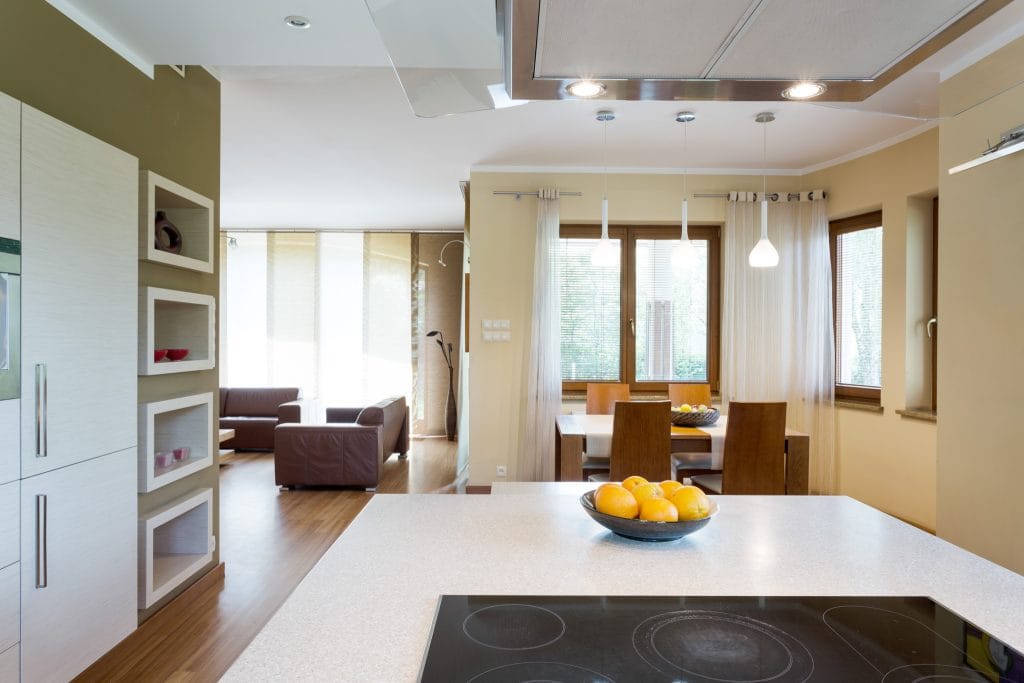
Quality in this context goes beyond just the basics. It includes:
- Cleanliness and Maintenance: Accommodation that is well-maintained, clean, and regularly serviced.
- Comfortable Furnishings: Providing comfortable beds, seating, and adequate storage.
- Essential Amenities: Ensuring access to reliable Wi-Fi, laundry facilities, and well-equipped kitchen areas — as well as outside amenities like gyms, restaurants and places to relax.
- Safety and Security: Prioritizing secure buildings and providing necessary safety features.
- Convenient Location: Ideally located with good transport links to the worksite and local amenities.
- Responsive Management: Having a clear point of contact for any issues or concerns that may arise.
A Strategic Investment, Not Just an Expense:
For employers and recruitment agencies, viewing quality temporary contractor housing as a strategic investment rather than just an expense can yield significant returns. By prioritizing the well-being of their temporary workforce, they can:
- Attract and retain top talent: In a competitive market, quality accommodation can be a key differentiator.
- Boost productivity and efficiency: Well-rested and content contractors are more effective in their roles.
- Reduce project disruptions: Happy and healthy contractors are less likely to experience issues that could impact project timelines.
- Enhance their reputation: Demonstrating care for contractor well-being fosters a positive image within the industry.
In conclusion, the link between quality temporary contractor housing and employee well-being is undeniable. It’s a fundamental aspect of creating a supportive and productive work environment for a vital segment of the workforce. Housd recognise that the housing needs of their clients (contractors, employers and agencies) are not just providing a place to sleep; they are investing in their success, the success of their projects, and the overall well-being of their valuable temporary team members.





One Comment