

In the UK’s dynamic business landscape, attracting and retaining top talent often goes beyond competitive salaries. For many industries – from construction and healthcare to hospitality and seasonal agriculture – providing suitable staff accommodation is a critical factor. The “one size fits all” approach rarely works, and businesses are increasingly exploring a range of models to best suit their operational needs and employee well-being.
Understanding the different types of housing, from on-site solutions to various off-site options, is key to making an informed decision that benefits both your workforce and your bottom line.
1. On-Site Staff Housing: Proximity and Convenience
On-site housing means placing employees directly within, or immediately adjacent to, the workplace premises. This model offers unparalleled convenience and is often found in specific sectors.
Pros:
- Maximum Convenience: Eliminates commute times, saving employees travel costs and time.
- Immediate Response: Employees are on hand for emergencies or early/late shifts.
- Enhanced Security: Often easier to secure a single, controlled site.
- Team Cohesion: Can foster a strong sense of community among colleagues.
Cons:
- Limited Privacy/Separation: Can blur the lines between work and personal life.
- Space Constraints: May be limited by the physical footprint of the workplace.
- Planning Permissions: Can be complex to obtain for new builds or conversions.
- Operational Demands: Requires management of residential aspects (maintenance, disputes).
Typical Use Cases:
- Construction: Workers on large, remote construction sites.
- Healthcare: Live-in carers, hospital staff on call.
- Agriculture: Seasonal farm workers, especially in remote areas.
- Hospitality: Hotel staff, particularly in remote resorts or smaller establishments.
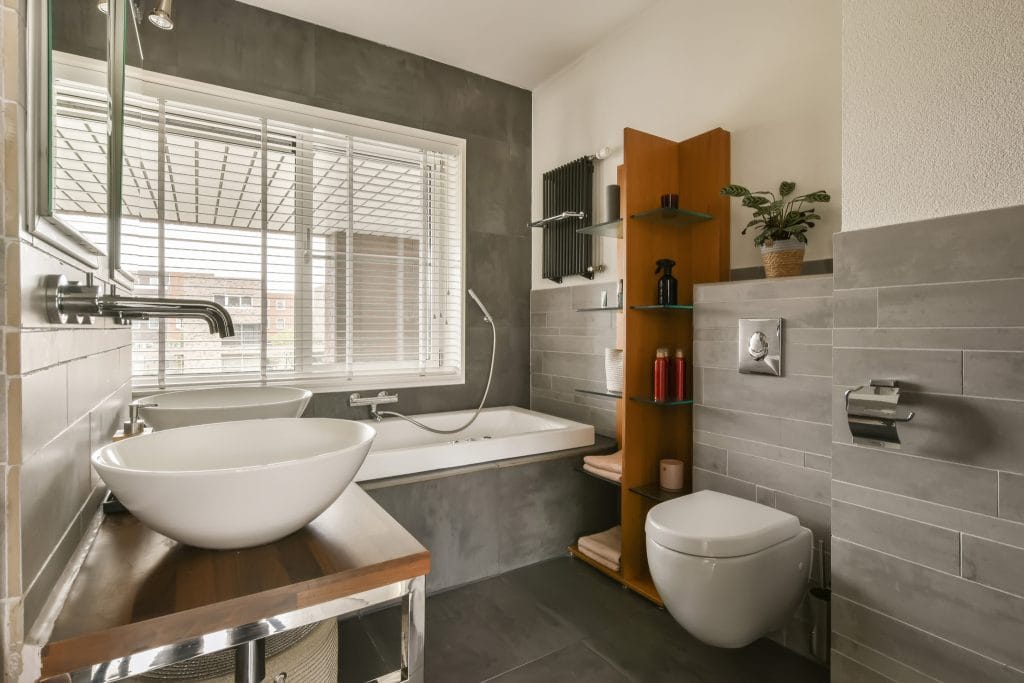
2. Off-Site Staff Housing: Flexibility and Variety
Off-site homes involves housing employees in separate premises away from the direct workplace. This model offers greater flexibility in terms of location, type of property, and cost.
a) Leased or Rented Residential Properties (Houses/Apartments)
This is a common approach where businesses rent standard residential homes or apartments directly from landlords.
Pros:
- Home-like Environment: Offers a familiar, comfortable living space.
- Greater Privacy: Employees have their own space away from work.
- Location Flexibility: Can choose properties close to amenities, transport links, or within specific communities.
- Cost-Effective for Groups: Can be very efficient for housing multiple employees together.
Cons:
- Property Management: The business becomes responsible for all landlord duties (maintenance, tenant issues).
- Furnishing & Utilities: Often requires the business to arrange and pay for furnishings and utility setup.
- Lease Terms: Residential leases can be rigid, impacting flexibility for short-term needs.
- Finding Suitable Properties: Can be time-consuming, especially for multiple units.
Typical Use Cases:
- Project Teams: Housing a team working on a long-term project in a different city.
- Relocating Employees: Temporary housing during a permanent relocation.
- Seasonal Workers: Housing a larger group of seasonal staff.
- Healthcare Professionals: Nurses, doctors on temporary contracts.
b) Serviced Apartments & Corporate Housing
This model provides fully furnished apartments with hotel-like services, including cleaning, linen changes, and utility management, all bundled into one cost.
Pros:
- Turnkey Solution: Ready to move in with all furnishings, utilities, and internet provided.
- Flexibility: Often available for short-term (weeks) to long-term (months/years) stays.
- Cost-Effective for Longer Stays: Usually cheaper than hotels for extended periods.
- Hotel-like Services: Benefits of regular cleaning and maintenance without the rigidity of a hotel.
- Privacy & Space: Offers more room and a separate living area compared to a hotel room.
- Simplified Billing: Often a single, all-inclusive invoice.
Cons:
- Higher Daily Rate (than unfurnished rentals): Reflects the included services and flexibility.
- Less Customisation: May not allow for personal touches.
- Availability: Can be competitive in popular areas, especially during peak seasons.
Typical Use Cases:
- Business Travellers: Extended business trips, temporary assignments.
- Relocation: Temporary housing for employees moving to a new area.
- Consultants/Contractors: Short to medium-term project work.
- Film Crews/Events Staff: Teams requiring accommodation for specific durations.
c) Aparthotels / Extended Stay Hotels
These combine elements of apartments and hotels, offering self-catering facilities within a hotel-like environment, often with reception services and communal areas.
Pros:
- Hotel Services & Security: 24/7 reception, cleaning, and security of a hotel.
- Self-Catering Options: Provides basic kitchenettes or full kitchens.
- Community Amenities: Gyms, lounges, meeting rooms often available.
- Point-Based Systems/Loyalty: May offer corporate rates or loyalty schemes.
Cons:
- Less Space: Typically smaller than dedicated serviced apartments.
- Higher Cost (than full apartments): Due to the more extensive hotel services.
- Less Personalised: Can feel more like a hotel than a home.
Typical Use Cases:
- Mid-Length Business Trips: When a full apartment is too much, but a standard hotel isn’t enough.
- Individual Travellers: Offers more independence than a traditional hotel.
- Short-Term Project Work: Similar to serviced apartments, but potentially for slightly shorter durations.
Choosing the Right Model
The best staff housing model for your UK business will depend on several factors:
- Duration of Stay: Short trips suit hotels/aparthotels; longer stays favour serviced apartments or rented properties.
- Number of Employees: Group housing in rented properties or larger serviced apartments can be cost-effective.
- Budget: Weigh the daily rate against the hidden costs of managing private rentals.
- Level of Independence Required: Do employees need full self-catering and privacy, or are hotel services preferred?
- Industry & Location: Specific sector needs (e.g., remote workers) and urban vs. rural locations will influence choices.
- Administrative Capacity: Do you have the resources to manage leases, maintenance, and utility bills for multiple properties?
By carefully considering these options and aligning them with your company’s unique requirements, you can provide staff housing that truly supports your employees and contributes to your organisational success in the competitive UK market.
If you want to find the right accommodation for you, then let the experts do all the hard work. Simply tell Housd what you are looking for and we’ll take care of the details. Get in touch today.