

Finding the right accommodation for a remote workforce is a key consideration for many businesses today. Whether you’re a construction company managing a project in a remote location, a production company filming on-site, or a business relocating a team for a short-term project, the decision between on-site and off-site accommodation carries significant implications for both the company and its staff.
At Housd, we provide high-quality serviced apartments and homes across the UK, offering a flexible and comfortable solution for businesses and their employees. To help you make an informed choice, let’s explore the pros and cons of both on-site and off-site accommodation.
On-Site Accommodation: The Ultimate Convenience
On-site accommodation, often in the form of purpose-built housing or portable units, places employees directly at the workplace.
Pros for Employers:
Increased Productivity: Eliminating commuting time means a team can be at work earlier and is less likely to be delayed by traffic or public transport issues. This translates to more productive hours on the job.
Enhanced Team Cohesion: When a team lives and works together, it can foster a stronger sense of camaraderie and collaboration. This is particularly beneficial for large, long-term projects.
Logistical Simplicity: Managing one location for both work and living reduces the complexity of travel arrangements, reimbursement processes, and coordinating daily transport.
Immediate Availability: Employees are always on hand for urgent tasks, late-night shifts, or in case of an emergency, which is a major advantage for certain industries like construction or events.
Cons for Employers:
Higher Initial Cost: Setting up on-site accommodation can be a significant upfront investment, requiring land, infrastructure, and ongoing maintenance.
Work-Life Balance Concerns: The lack of separation between work and home can lead to employee burnout, increased stress, and a blurring of professional and personal boundaries.
Limited Privacy: Living in close quarters can lead to a lack of personal space and potential interpersonal conflicts among staff.
Pros for Employees:
Zero Commute: This is a huge benefit, saving employees time, money, and the stress of daily travel. It offers more time for rest and leisure.
Reduced Living Costs: Often, on-site accommodation is included as part of the employment package, significantly reducing an employee’s out-of-pocket expenses for rent and utilities.
Shared Experience: Living with colleagues can be a great way to build bonds and a support network, which can be invaluable when working away from home.
Cons for Employees:
“Cabin Fever”: The constant presence of colleagues and the lack of a change of scenery can be mentally and emotionally draining.
Lack of Freedom: On-site living can sometimes come with more restrictive rules and less personal freedom compared to living in a private rental.
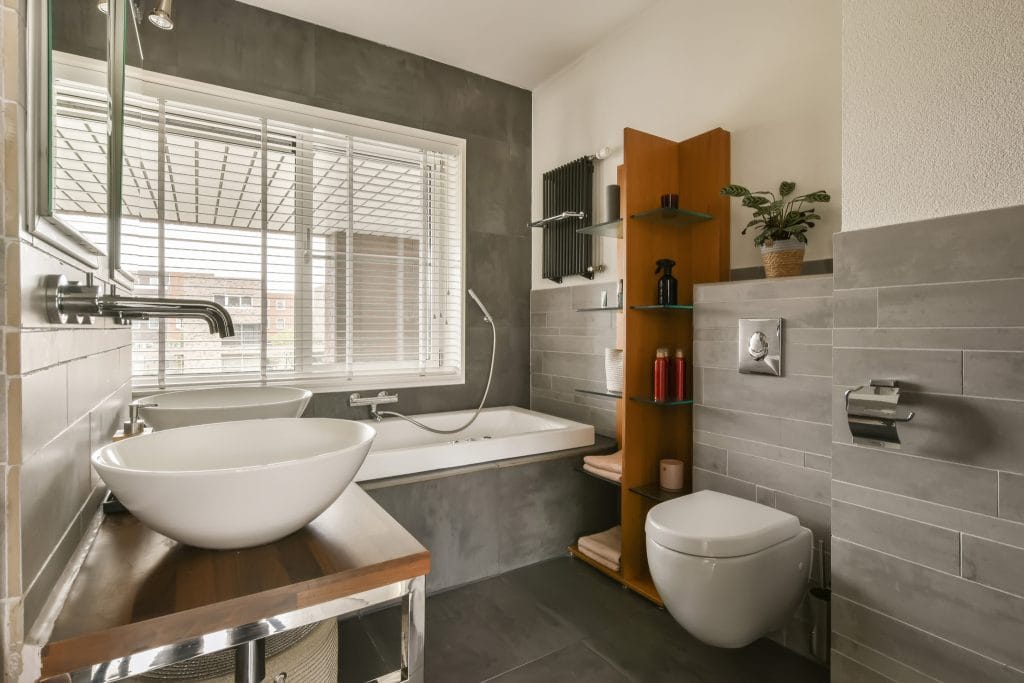
Off-Site Staff Accommodation: A Home Away from Home
Off-site accommodation, such as private serviced apartments, hotels, or rental properties, offers a clear separation between an employee’s living and working spaces.
Pros for Employers:
Greater Flexibility: This option is scalable. It’s easy to add or remove units as team size changes, without the high fixed costs of building on-site.
Enhanced Employee Well-being: By providing a distinct separation from the workplace, off-site accommodation supports a healthier work-life balance, reducing the risk of burnout.
Wider Talent Pool: Companies can attract a broader range of talent who may not be willing to live on-site, including those with families or partners.
Lower Upfront Cost: Renting serviced apartments or other properties is often more cost-effective than building or maintaining on-site housing.
Cons for Employers:
Logistical Complexity: Arranging travel and coordinating multiple locations can be more time-consuming. There are also additional costs associated with transport to and from the site.
Potential for Delays: Commutes, traffic, and public transport issues can lead to a loss of valuable working time.
Less Oversight: It can be harder for managers to have direct, impromptu meetings with their team when everyone lives in different places.
Pros for Employees:
A “Proper” Home: Serviced apartments, like those offered by Housd, provide a kitchen, living area, and a separate bedroom, giving employees the feeling of a genuine home.
Clear Work-Life Separation: The daily commute, even a short one, creates a mental and physical boundary between work and personal life, promoting relaxation and well-being.
Privacy and Independence: Employees can live their own lives, choose their own entertainment, and enjoy their personal space away from their colleagues.
Cons for Employees:
Commute Time: While not a deal-breaker for everyone, a daily commute can be a hassle and add to travel costs.
Feeling Isolated: If a team is not living together, there’s a greater risk of feeling disconnected from colleagues, especially on a long-term project.
The Verdict
The best choice depends entirely on the specific needs of the business and the nature of the work. For projects in remote, inaccessible locations or for teams requiring constant presence, on-site accommodation might be the only viable option. However, for a mobile workforce operating in or near towns and cities, off-site solutions offer a level of comfort, independence, and work-life balance that is invaluable for long-term employee satisfaction and retention.
At Housd, our goal is to help you provide a premium, off-site experience that feels like a real home. Our portfolio of comfortable, fully-equipped serviced properties across the UK ensures your team has everything they need to thrive, wherever their work takes them. Speak to us today!