

How to Manage Your Travel Budget in 2026
As we move through 2026, the UK corporate travel market has reached a critical juncture. While inflation in some sectors has cooled, accommodation rates in major hubs like London, Manchester, and Birmingham continue to face upward pressure, with average daily rates increasing by an estimated 5–8%. For procurement managers and business owners, the “last year plus inflation” approach to budgeting is no longer viable.
Managing a travel budget in the current climate requires a pragmatic shift away from transactional booking toward strategic housing partnerships. At Housd, we help businesses navigate these market fluctuations by providing high-quality, cost-effective environments that don’t compromise on professional standards.
The 2026 Landscape: Where the Value Lies
To find real value in the UK market this year, travel managers must look beyond the initial nightly rate. True cost-effectiveness is found in the “Total Cost of Stay.”
1. The Death of the “Hidden Extra”
Traditional hotels in 2026 often rely on ancillary revenue—charging extra for high-speed Wi-Fi, laundry services, and breakfast. Corporate housing and serviced apartments provide an all-inclusive alternative. By having a full kitchen and laundry facilities within the unit, companies can reduce “subsistence creep”—the gradual inflation of expense claims for meals and basic services.
2. Length of Stay Tiers
The UK market now rewards longer commitments more than ever.
- Project-Based Savings: For assignments exceeding 14 nights, corporate housing typically offers a 20–30% saving over comparable hotel stays.
- VAT Efficiency: In the UK, the VAT rate on accommodation drops significantly after 28 consecutive nights (applying only to the service element), providing a massive financial incentive for medium-term corporate stays.
Pragmatic Procurement Strategies
Shift to “Productive” Square Footage
In 2026, the flight to quality is actually a flight to functionality. It is more cost-effective to book a slightly higher-priced apartment that includes a dedicated, ergonomic workspace than to book a cheaper hotel room where the employee ends up working from a nearby coffee shop, incurring additional daily costs and data security risks.
Regional Hub Strategy
With the government’s continued focus on regional development, business travel to cities like Leeds, Liverpool, and Newcastle is at an all-time high. However, supply in these cities can be tighter than in London.
Actionable Tip: Consolidating your spend with a single provider across multiple UK cities allows for “volume-based” negotiations, even if your stays are spread across different regions.
Designing a Sustainable Budget
Budgeting in 2026 isn’t just about the bottom line; it’s about retention and performance. A stressed, overworked traveller is an unproductive one. Investing in an experienced and diligent property management service ensures that your team arrives at their destination ready to deliver, reducing the “hidden cost” of travel burnout and employee turnover.
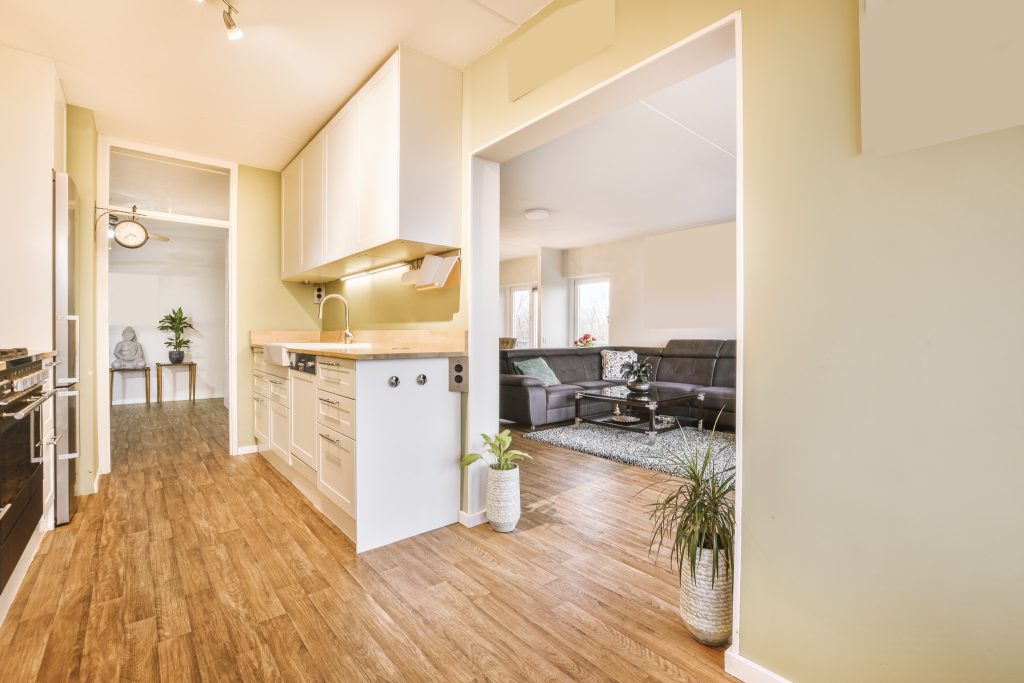
By prioritising apartments that offer home-like amenities and reliable connectivity, you are not just saving on the room rate—you are protecting your most valuable asset: your people.
Optimise Your 2026 Travel Spend
Navigating the complexities of the UK housing market requires local expertise and a business-first approach. Whether you are managing a one-off relocation or a national project team, we can help you find a solution that fits your budget and your standards.
Contact Us Today to discuss a tailored housing strategy for your business.